

Animals we control.
This is the page that explains what you're actually paying for. If yours isn't on the list, call or text 859-492-6284 and ask. We do not handle dogs or cats, feral or tame.
One thing worth knowing before you call. We take on larger trapping work on its own for otter, beaver and coyote. For raccoons, squirrels, groundhogs and skunks we generally only trap as part of the work that keeps them out, whether that is whole home exclusion, a dig barrier or insulation replacement. Trapping by itself just means you are doing this again next year, and we would rather not sell you that.
- Raccoons
- Squirrels
- Groundhogs
- Skunks
- Opossums
- Foxes, gray and red
- Coyotes
- Bobcats
- Beavers
- Muskrats
- Otters
- Weasels
- Rabbits
- Moles
- Voles
- Mice
- Birds
- Venomous snakes
- Nonvenomous snakes
- Snapping turtles
- Turtles
Exclusion is the word for the repair.
It's the term you'll hear us use, and it means construction that keeps wildlife out for good, built to look like it belongs on the house. Trapping without it just means you're doing this again next year.
Soffits and soffit returns
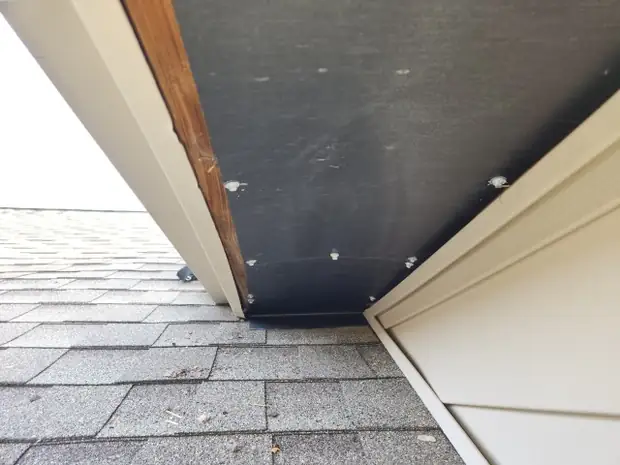
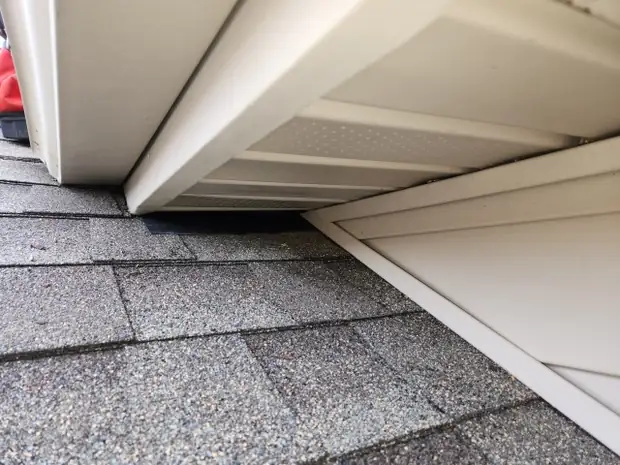
Steel flashing, not aluminum. A squirrel will chew straight through aluminum. We take the cladding back far enough that a raccoon can't get up on his tiptoes and push the soffit open.
Gable vents
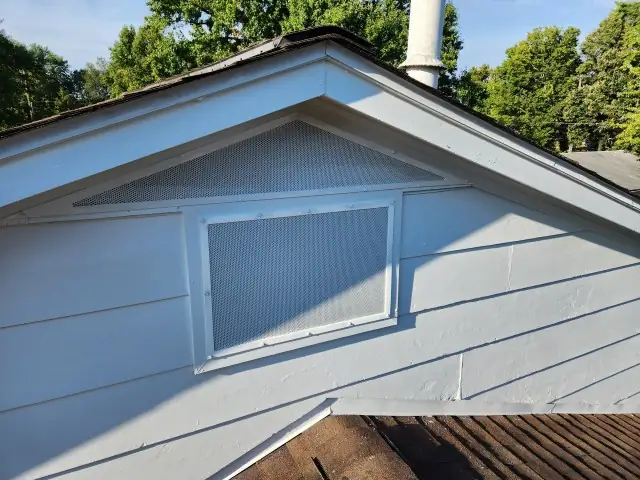
Bordered perforated metal on the outside, or a custom cover fitted close over the louvers that you'd have to be told to look for. Both go on from the outside. Air flow tested either way, so the attic breathes like it did before.
Roof and power fan vents
Covered and siliconed so they shed water the way they were built to and nothing works its way under the flange.
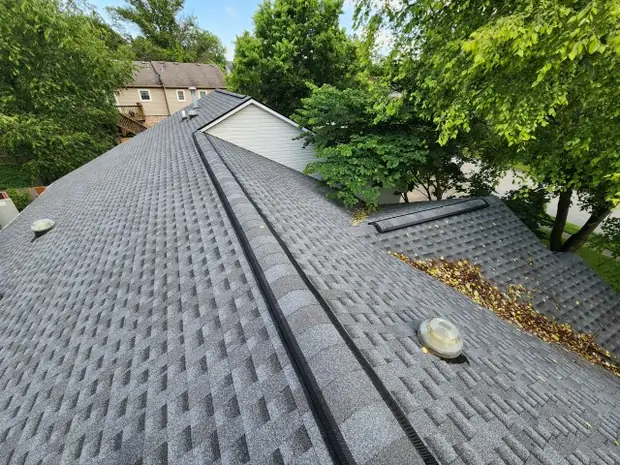
Ridge vents
They run the whole length of the peak. Left open they're a standing invitation for mice, squirrels and bats.
Chimneys
Capped and repaired. A chimney is a hollow shaft straight into the middle of your house, which is exactly why raccoons like them.
Foundation and crawlspace vents
Repaired, excluded, or replaced outright when the frame has rotted past saving.
Dryer and kitchen exhaust vents
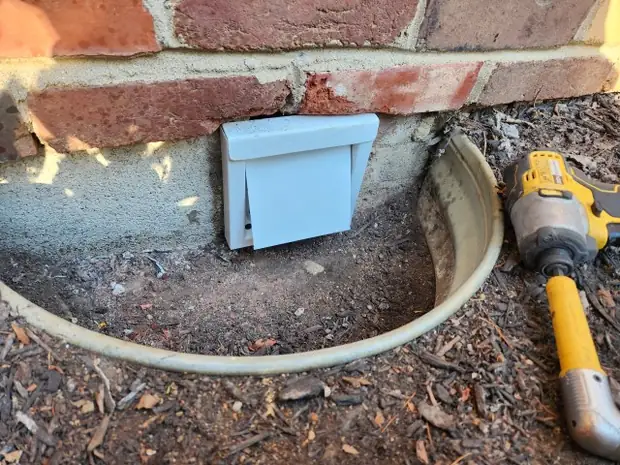
Magnetic all steel covers. Mice stay out, the dryer still breathes, and you don't lose the exhaust.
Plumbing vent collars
The lead collars around the vent stacks on your roof. Squirrels gnaw them until the roof leaks, and you find out about it at the ceiling.
Dig barriers
Buried steel aprons at sheds, decks and foundations. Nothing digs under it again.
All of it gets the same finish. Screw holes and seams sealed with 30 year adhesive sealant, sanded flush, painted to match. And it's guaranteed, and all of our repair work is guaranteed. Seal the whole house and that is a lifetime limited warranty on the whole house, where we are able to offer it. If the budget means we only close certain spots, the guarantee covers those spots and not the rest, and we will tell you that up front rather than after.
The whole job, under one roof.
Most companies here trap, hand you a bill and leave the hole. A few will patch the hole. We are set up to take the whole thing from the first inspection through the last piece of insulation, and that is where the work has gone as we have grown.
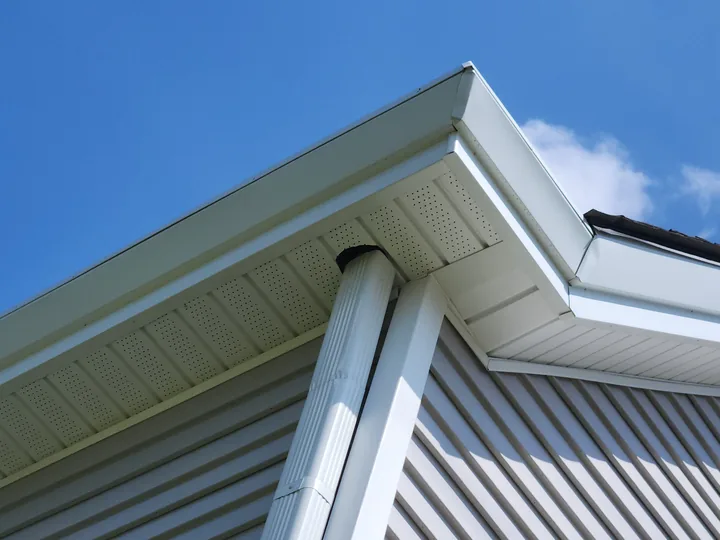
Whole home wildlife exclusion
Every opening on the building closed, not just the one they used. Soffits, returns, gable and roof vents, ridge, chimney, foundation and crawlspace vents, exhaust vents, plumbing collars. This is the one that carries the lifetime limited warranty when we do the whole house.
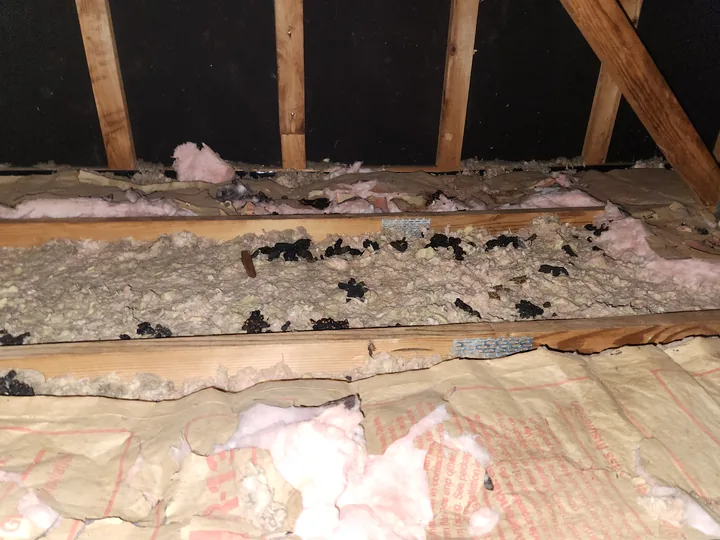
Attic and crawlspace decontamination
Fouled insulation and droppings bagged and hauled out, then the framing underneath fogged with an enzyme treatment that breaks down what soaked in and takes the smell with it. Raccoon roundworm and bat histoplasmosis are the reasons this is not a job to put off, and not one to do yourself in a dust mask.
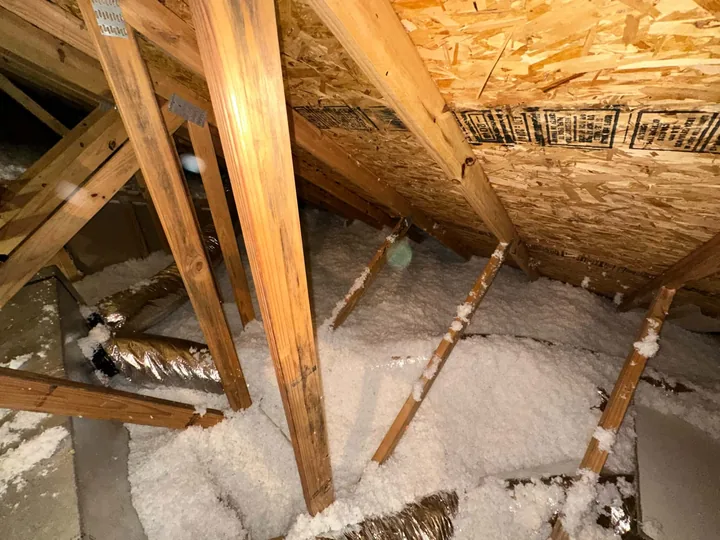
Insulation replacement
Blown back in to code depth once the space is clean. Most of what we pull has been compressed for years, so people usually end up with a warmer house and a lower bill than they had before anything got in.
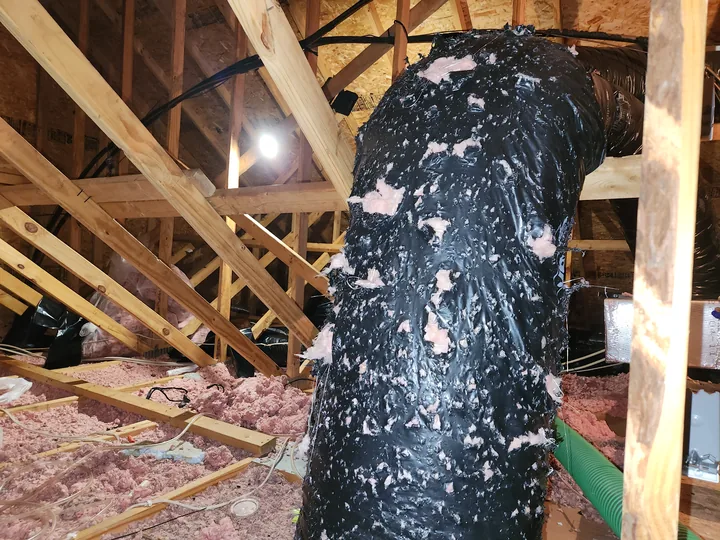
Duct work replacement
Animals crawl the duct runs and chew the wrap open. Once that happens the duct is pulling attic air, and everything in the attic, into your bedrooms. We replace the runs rather than tape them back together.
Crawlspace encapsulation
Sealing the crawlspace floor and walls so the ground stops feeding moisture into the house. It goes hand in hand with a dig barrier, because the same gap that lets a groundhog under there lets the damp in. Call for this one, it is priced off what the space actually looks like.
Trapping, repair and replacement are all our own crews. No subcontractor scheduling between the day we catch it and the day your attic is finished.
Anybody can set a cage in a yard.
If the hole is still there come November, you're paying for the whole thing over again. Here's how a real job runs.
Inspect
The whole structure, not just the room you're hearing it in. Attic, roofline, ridge vents, soffits and soffit returns, gable vents, chimney, foundation vents, crawlspace.
We find every way in that's being used, and every one that's about to be. Then we tell you what's urgent and what can wait, with pictures, so you're not just taking our word for it.
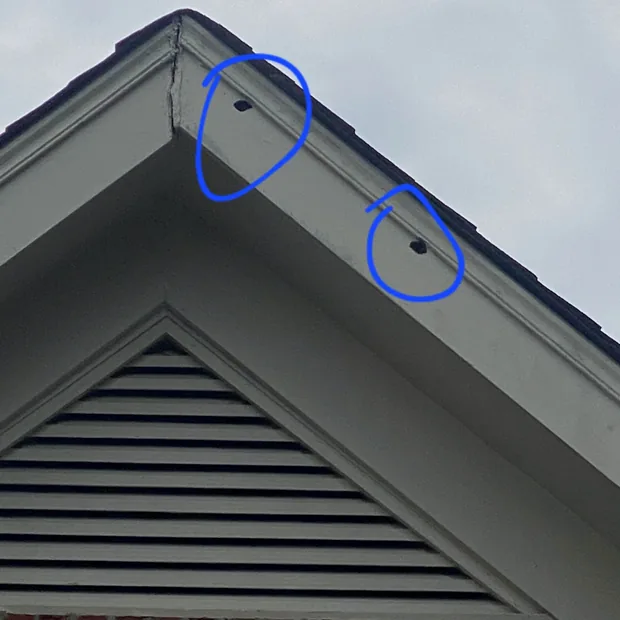
Trap
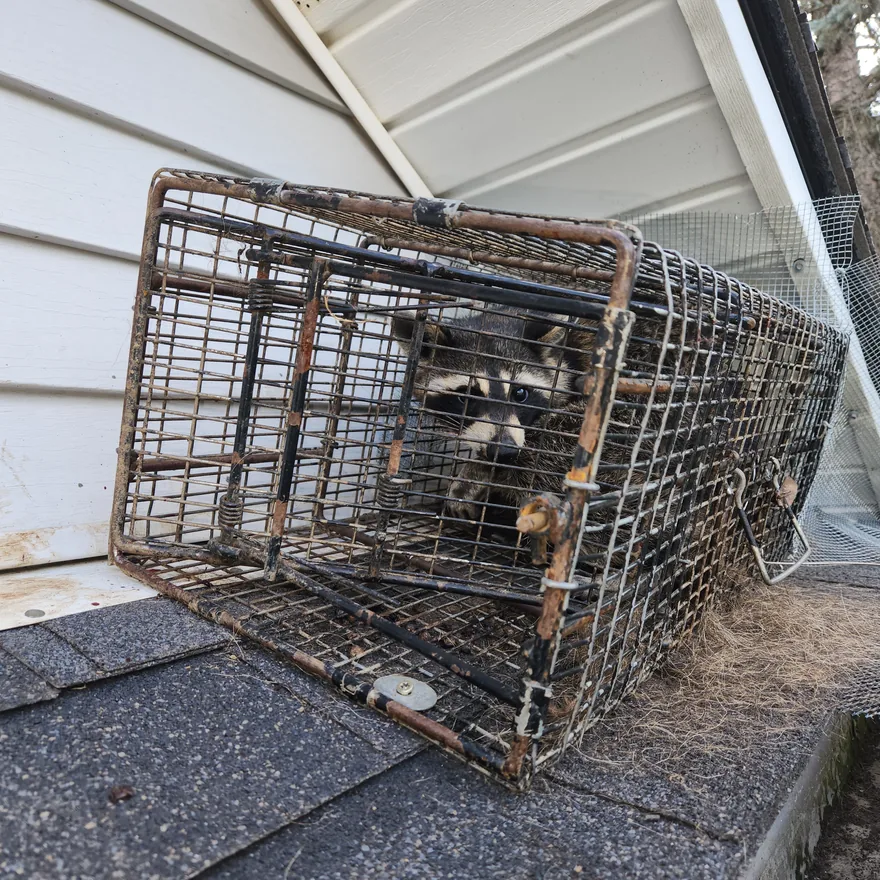
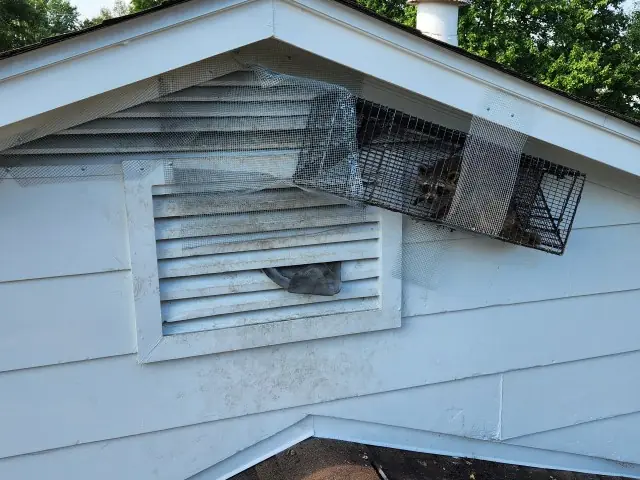
Here's where we go about it differently than most everybody else in Lexington. We mount a specialty trap directly over the point of entry and mesh off everything around it, so the only way in or out of your house is through our trap.
Three things come out of that. We catch the animal that's actually causing the trouble instead of the neighbor's cat. We know for certain when the last one is out, so repairs can start. And it happens quicker, which costs you less.
Kits and pups go with their mother, together, the same day. Nothing young gets left behind in a wall.
Seal
The exclusion work listed at the top of this page, done at every point they were getting in. Not a square of hardware cloth screwed over the one hole you found.
That means every entry point from the inspection, including the ones that had not failed yet. And it starts once the trap tells us the last animal is out, not before. Sealing a house with something still inside it is how you end up with a dead animal in a wall.
Decontaminate
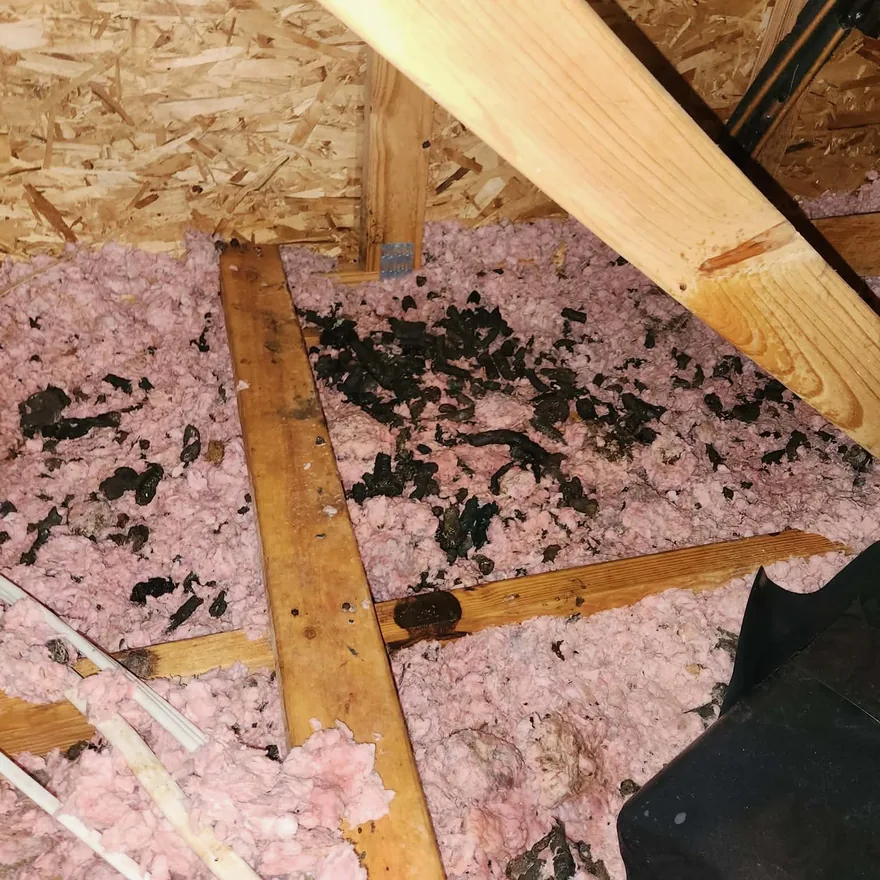
A latrine in your attic is not a mess, it is a health problem. Raccoon droppings carry roundworm, and the eggs stay viable in dry insulation for years. Bat guano grows histoplasmosis. In a sealed attic that is all sitting on the other side of your ceiling drywall, moving through the same air you are.
So we bag the fouled insulation out, take the droppings with it, and fog what is underneath with an enzyme treatment that breaks down the residue and the smell. Then we replace the ductwork the animals crawled through or chewed open. It goes out of the house in sealed bags, not down your stairs.
There is no spraying your way out of roundworm. The only thing that works is getting every bit of it out of the building, which is why this is a removal job and not a treatment.
Restore
Then it goes back. New insulation blown to the depth the code calls for, which in most Kentucky attics is more than what came out, because what came out had been walked flat for years.
You get the R value back, the ducts sealed, and an attic that looks like the ones below. Same crew that trapped it and sealed it. You are not waiting on somebody else's schedule to finish your house.
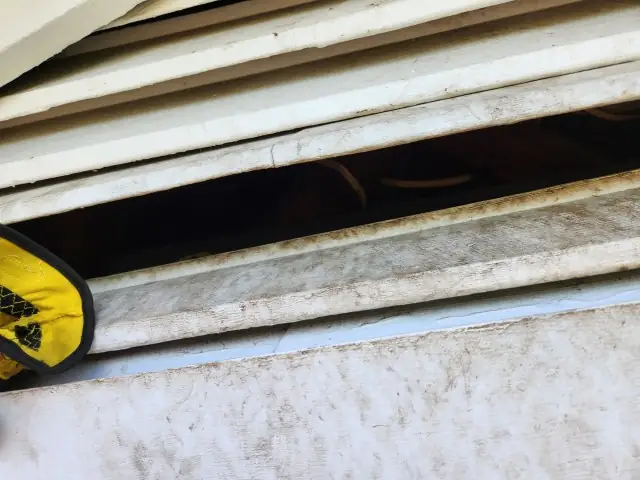
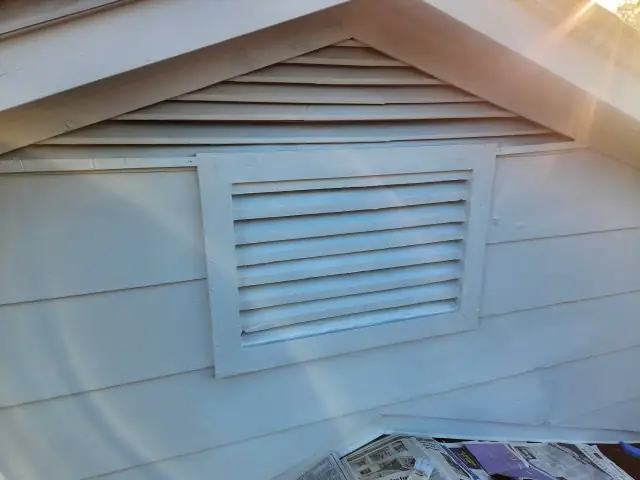
A momma raccoon and her kit that would not leave.
She had a kit up there and was going in behind the louvers of a gable vent, which from the driveway looked like nothing more than a dirty vent. Six frames, in order, from the first close look to the finished repair seen from the spot the homeowner sees it from.
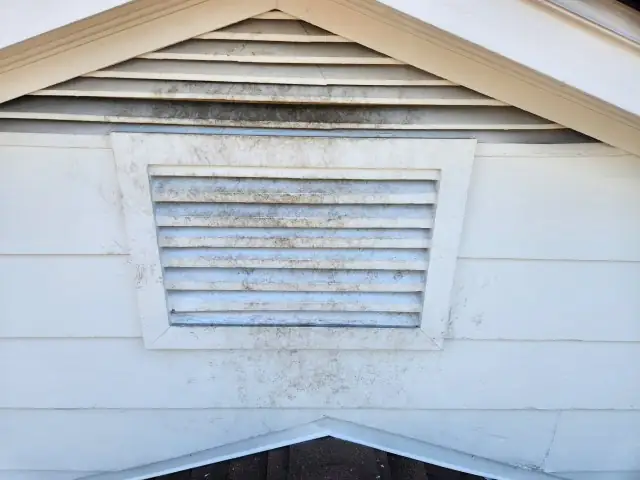
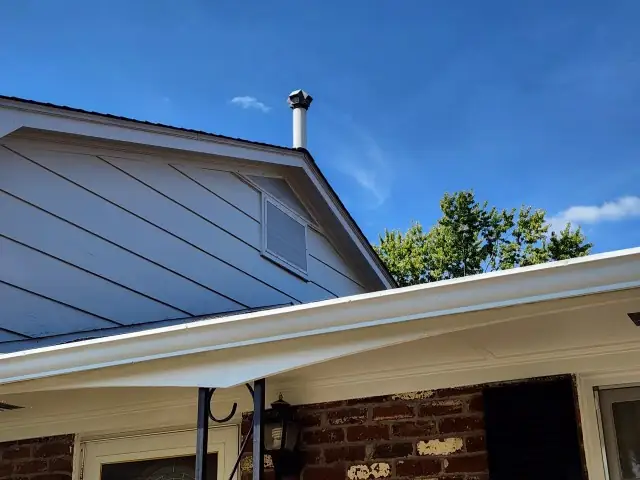
What the finished work looks like.
Where a repair would show from the ground, we build it so you'd have to be told where to look. Everything gets painted to match.
What it costs, and why we won't put a number here.
An inspection starts at $150. Past that, what a job costs depends on the building, and we would rather work it out with you on the phone than post a range that fits nobody's house.
Shopping on price alone tends to land people on the cheapest line on the list, which is usually a free inspection attached to an expensive exclusion that fails the month after the warranty runs out. A free inspection is a bad inspection. Somebody who is not being paid to look is being paid to sell you something.
Card, check or cash, with a five percent fee on cards. On larger projects it is half at the start and the balance when the work is done.
Ask for an inspection